
Decision stages

Start with the guide that matches the decision in front of you, then use the project review route to turn it into a practical page, pricing, SEO or redesign plan.
Blog
Practical guides for companies comparing website pricing, redesign risk, ecommerce scope, SEO launch requirements and agency fit.
Start here
The articles are written to help buyers compare budget, risk, search readiness and partner fit before committing to a scope.
Start with the guide that matches the decision in front of you, then use the project review route to turn it into a practical page, pricing, SEO or redesign plan.
Latest guides
Use this guide to plan accessible website basics before launch, from structure and keyboard paths to forms, focus states, contrast, content, and manual review.
Use these B2B SaaS website best practices to turn product complexity into easier to understand positioning, better structured page structure, useful supporting detail, and a lower-friction demo path.
Use this guide to plan a B2B homepage that explains positioning, routes different stakeholders, shows useful supporting detail, and moves buyers toward the right next step.
Use this guide to define what best means for your project before comparing agencies, portfolios, proposals, pricing, supporting detail, and launch responsibility.
Use this guide to compare ecommerce website quotes by catalogue structure, product content readiness, platform route, checkout risk, integrations, search needs, and launch QA.
Use this guide to plan service pages that help buyers understand fit, scope, supporting detail, pricing route, objections, next steps, and launch checks.
Use this guide to decide when a location page deserves publication, what detail it needs, and how to avoid thin city-name pages that create doorway risk.
Use this guide to choose between Next.js and WordPress based on how the website will be designed, edited, maintained, integrated, and improved after launch.
Use this guide to plan a SaaS pricing page that helps buyers compare plan fit, understand limits, trust the product, and choose the right demo, trial, or sales route.
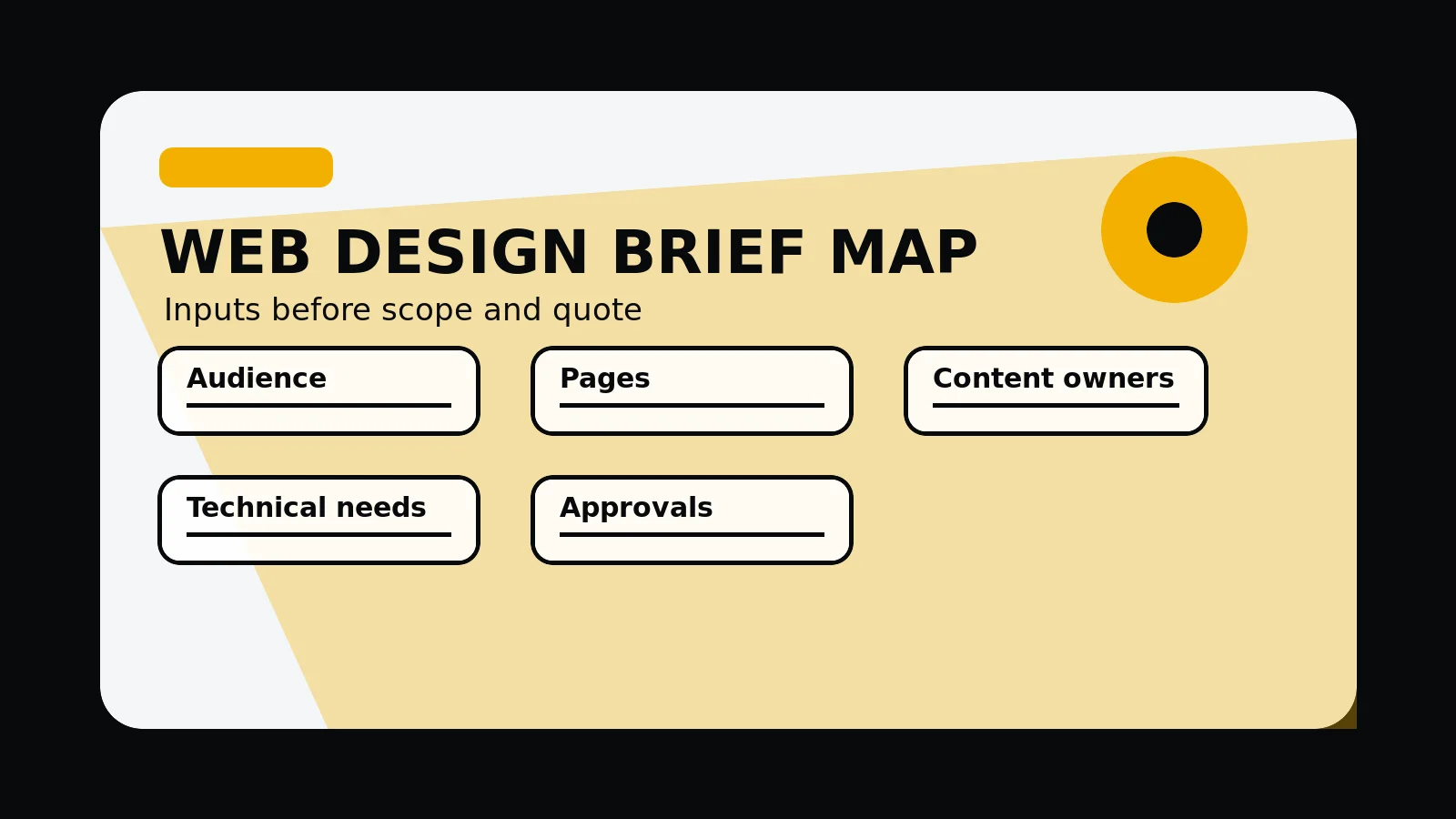
Use this web design brief template to give an agency the context, scope, content, supporting detail, technical needs, budget, timeline, and review route needed for a useful proposal.
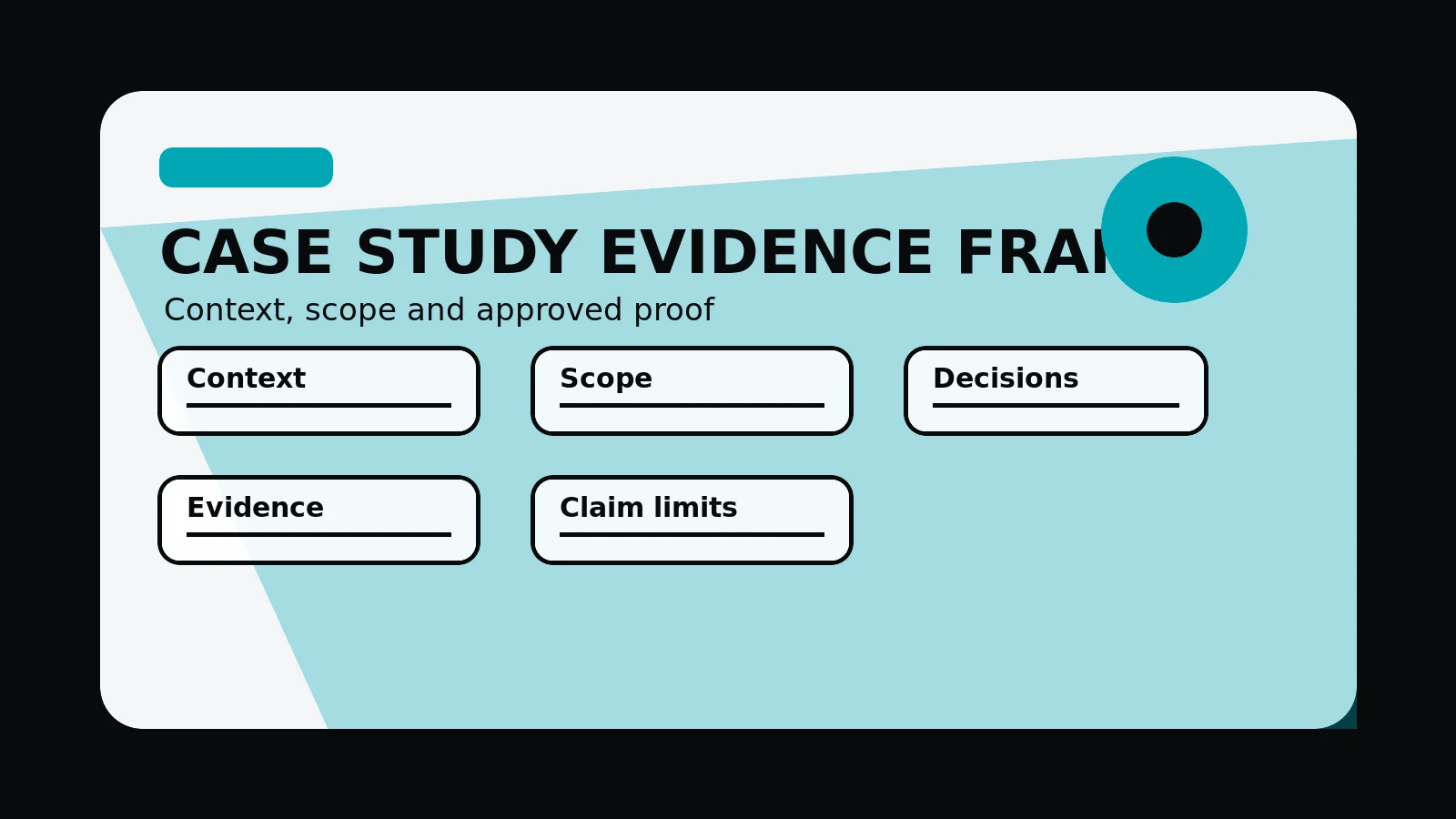
Use this template to turn a website project into credible supporting detail without inventing metrics, unsupported outcomes, client claims, or before-and-after detail.
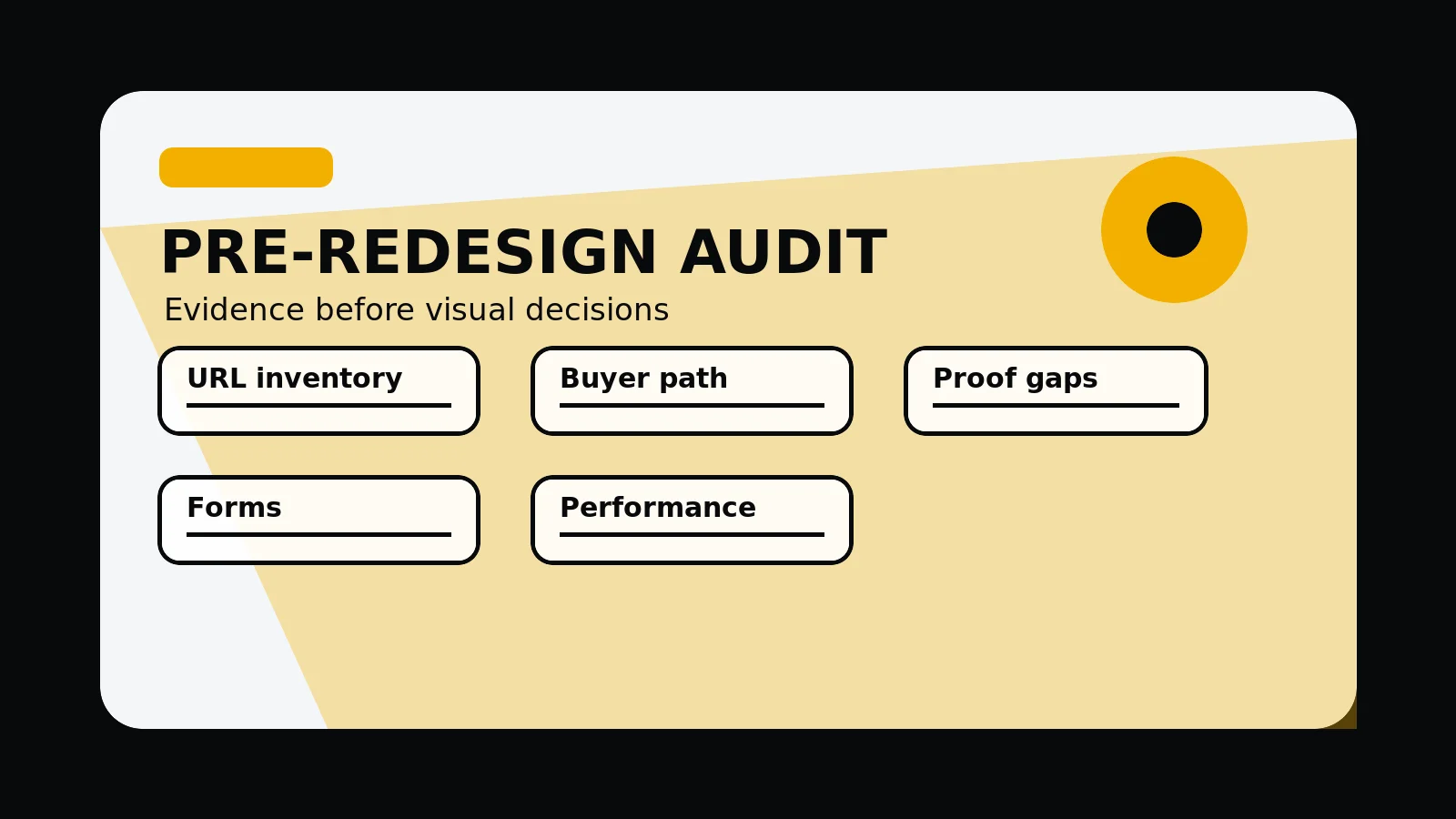
Use this checklist to decide what a website audit should inspect before a redesign changes pages, URLs, content, supporting detail, or conversion paths.
Use this checklist to protect search visibility when a redesign, platform move, domain change, or URL restructure changes how important pages are crawled.
Use this checklist to turn website speed problems into a practical fix list across field data, Core Web Vitals, assets, code, layout, delivery, and monitoring.
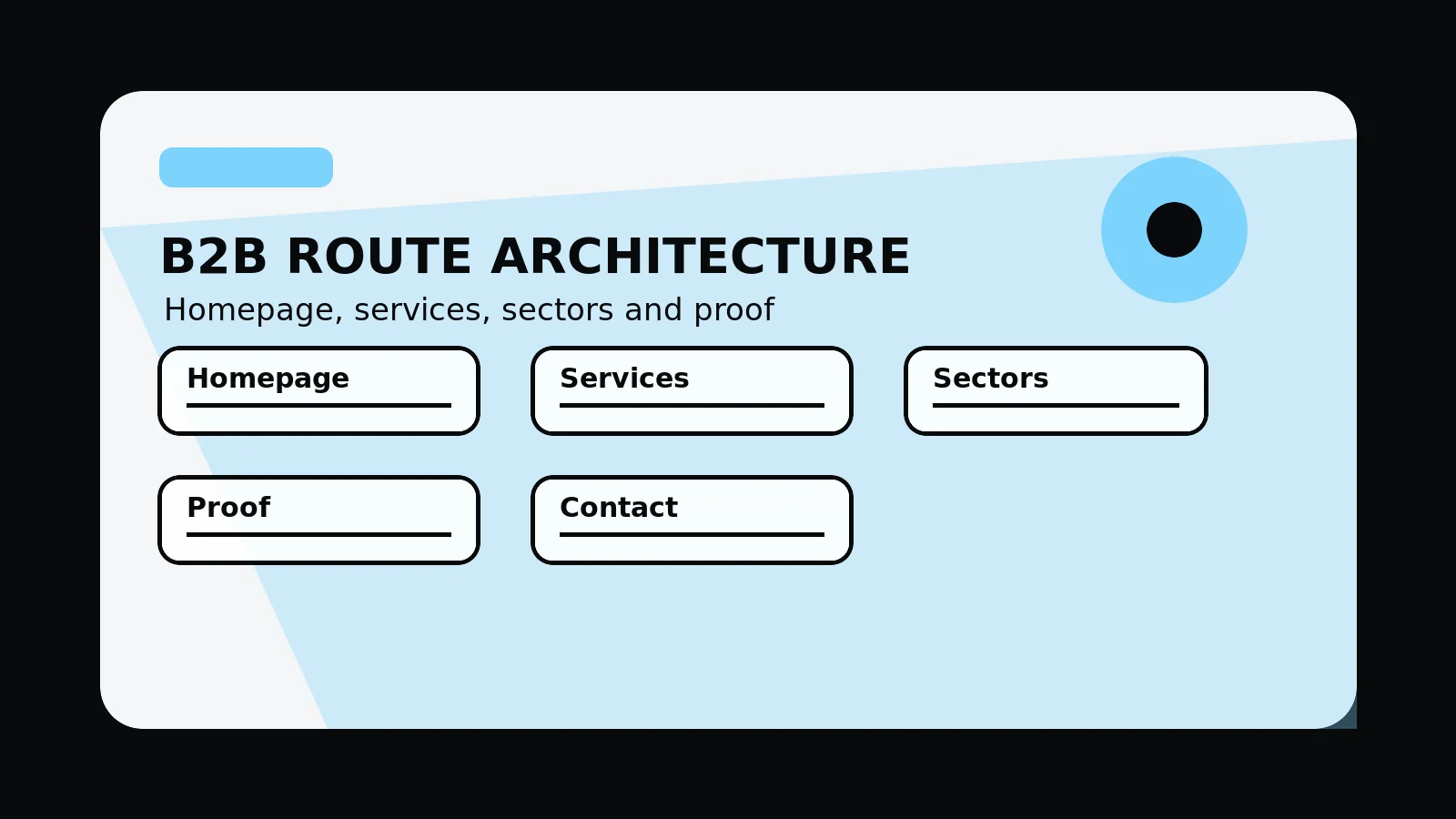
B2B architecture should help different stakeholders understand risk, fit, supporting detail, process, and next steps.
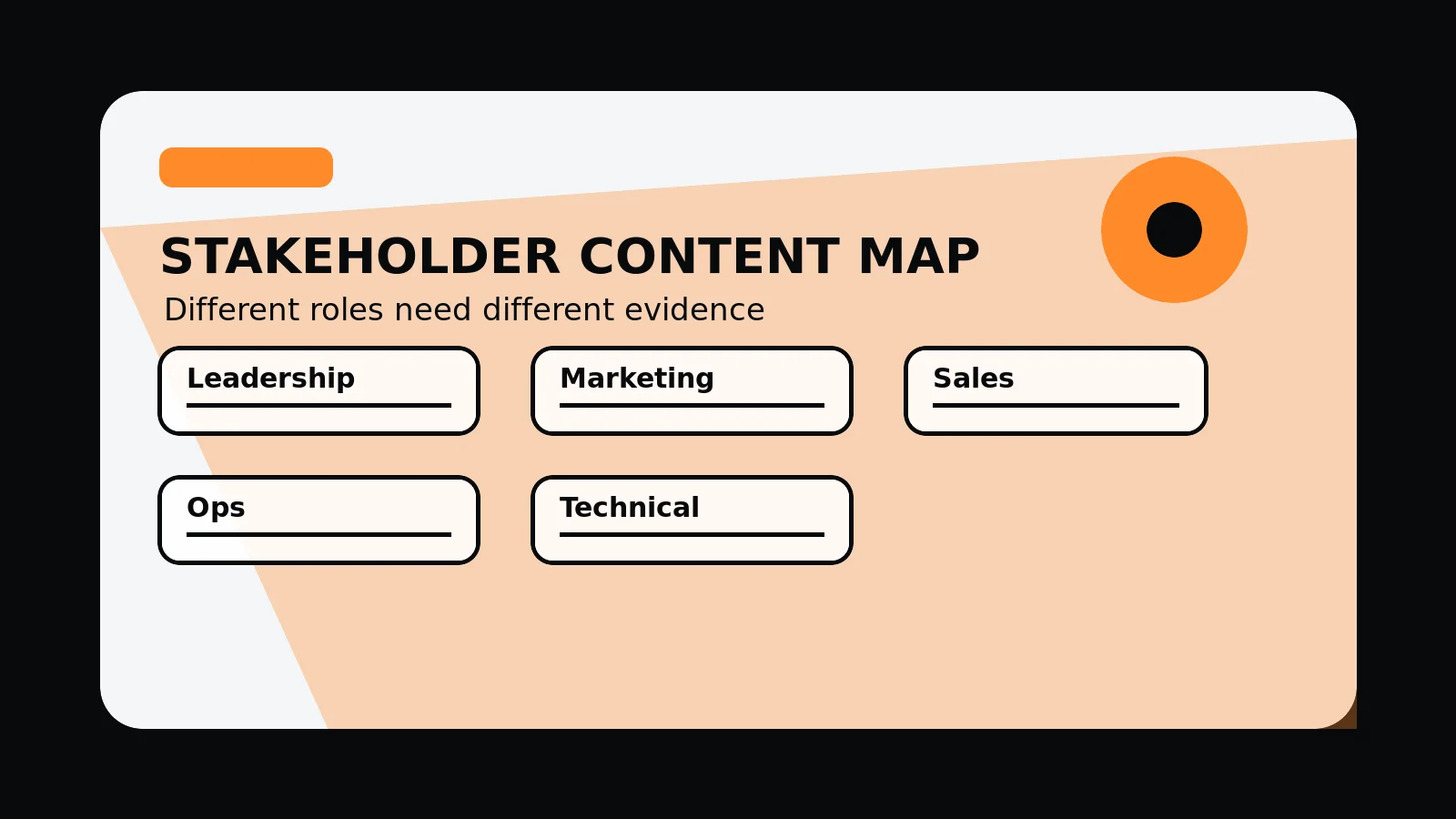
A B2B site works better when each stakeholder can find the detail they need without a sales call.
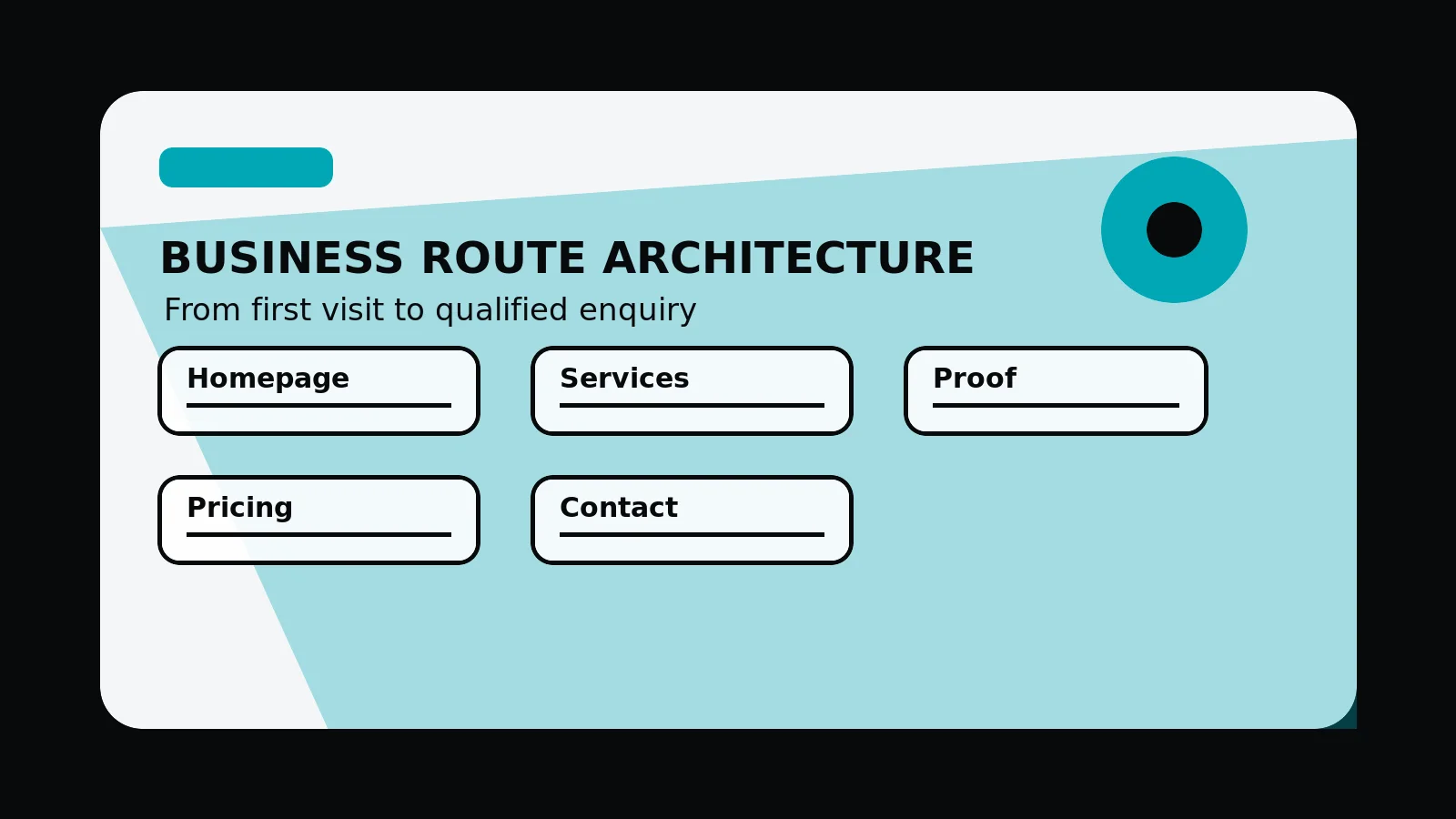
Business website structure should follow the buyer journey from first understanding to supporting detail, scope, risk reduction, and contact.
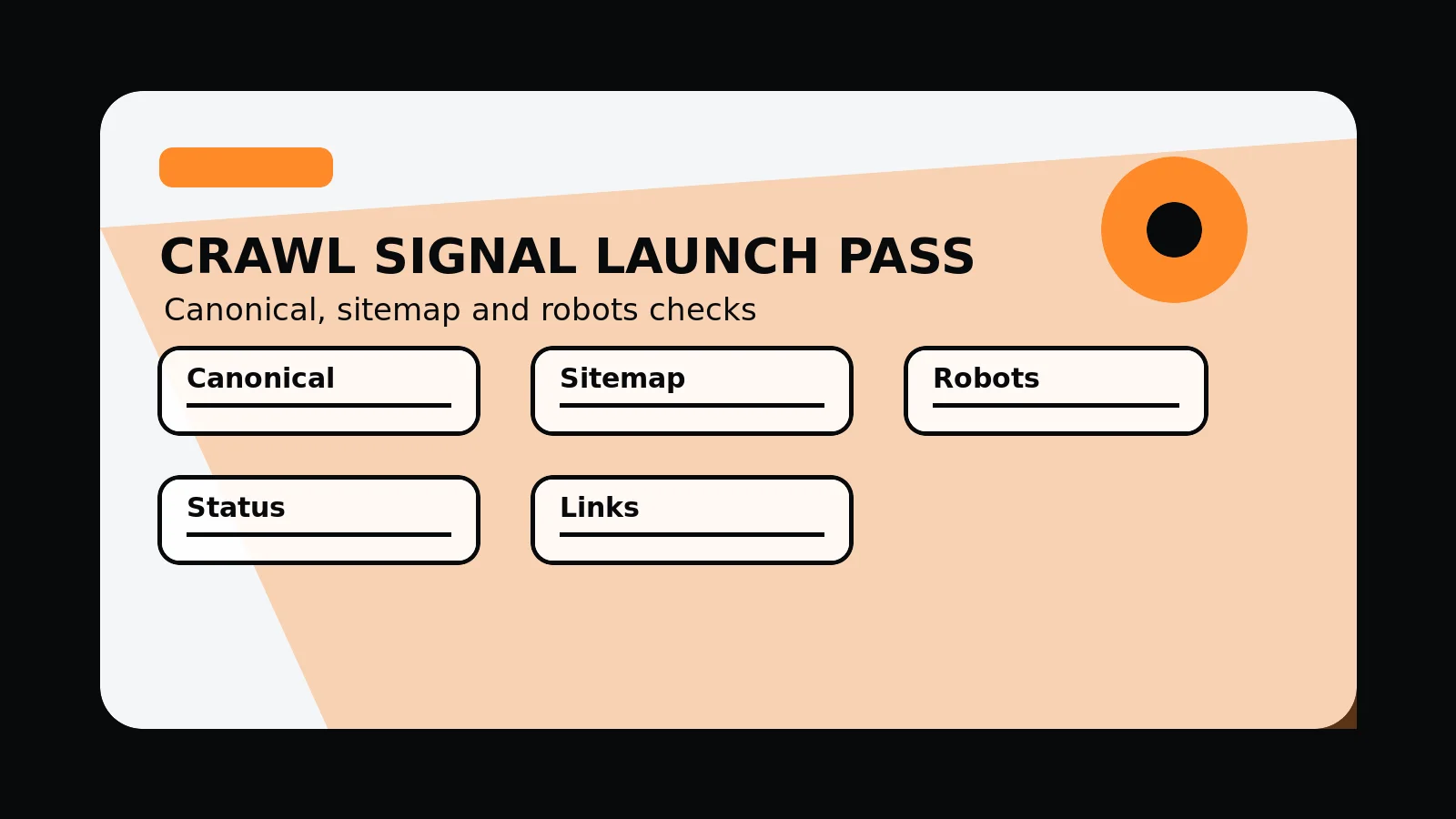
Canonical, sitemap, and robots signals should agree before launch so crawlers receive a plain publication policy.
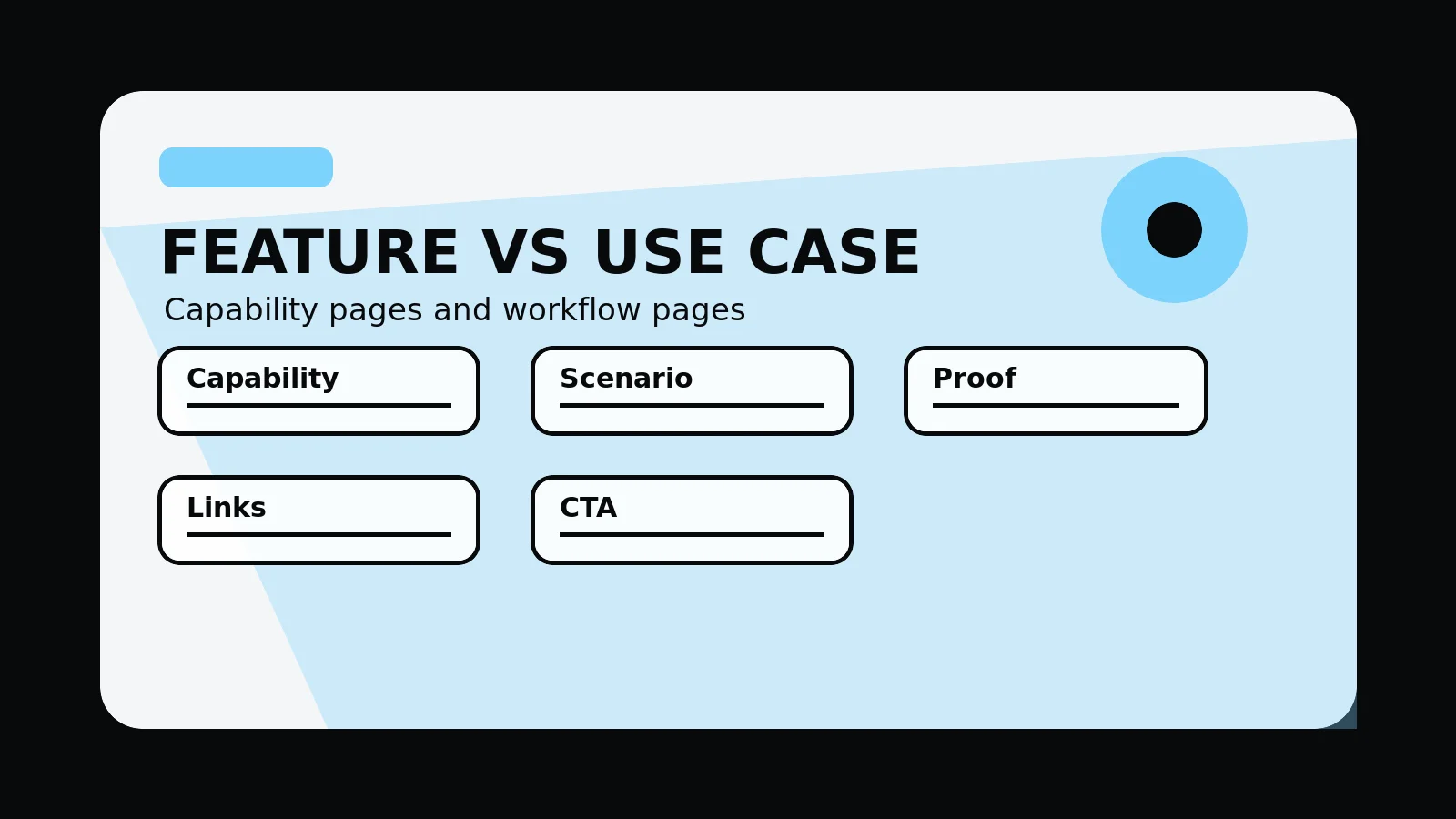
Feature pages explain capabilities. Use-case pages explain why those capabilities matter to a specific buyer or workflow.
Keyword mapping is the process of deciding which intent deserves which page, and which intents should be merged.
A demo CTA works better when the page prepares the buyer before asking for the meeting.
Local SEO pages should add genuine market context and accurate service-area information, not repeated city-name copy.
App Router SEO signals work best when route content, metadata, sitemap output, and schema describe the same page purpose.
Next.js SEO works when route-level content and technical signals are explicit, rendered, and aligned.
Complex B2B pages should structure detail instead of oversimplifying or overwhelming buyers.
A performance budget keeps visual ambition from overwhelming speed, stability, and mobile usability.
High-end design should feel stable, readable, and fast. Heavy media and unnecessary scripts can reduce trust.
High-end QA checks whether the site feels credible and works clearly before a buyer starts a conversation.
High-value buyers notice whether the page is plain, composed, credible, and useful before they believe any claim.
Good questions reveal whether an agency can handle the commercial and technical job behind the design.
SEO-safe redesign is a controlled change programme: decide what must survive, what can improve, and how launch will be checked before design decisions harden.
A redirect map is the handoff sheet that turns old paths into implemented routing rules and checked destinations.
A SaaS pricing page should reduce uncertainty even when exact enterprise pricing is not public.
SaaS architecture should explain the product, buyer fit, supporting detail, and conversion path before a demo request.
SaaS supporting detail should make the product inspectable before a demo without inventing customer outcomes.
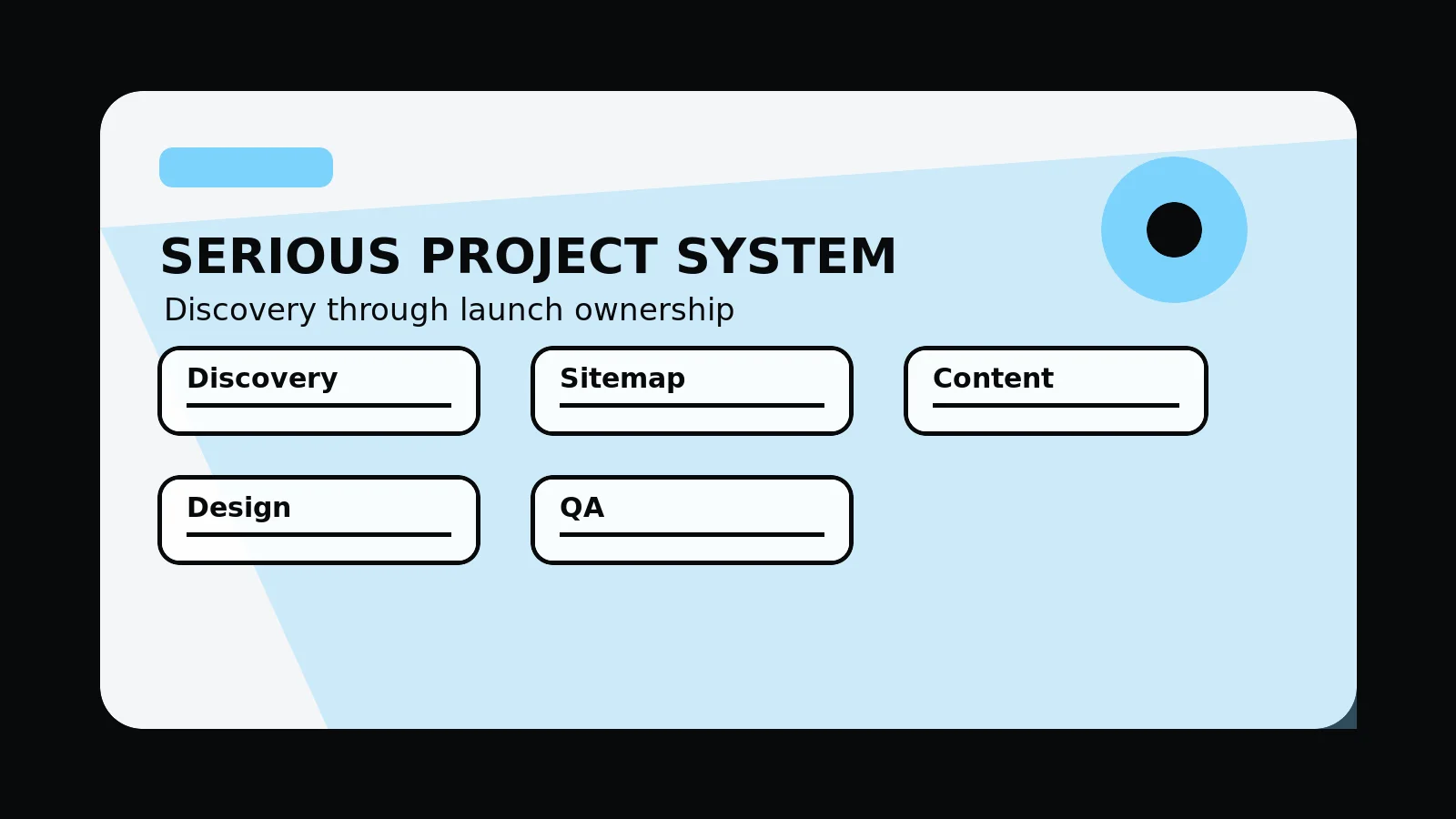
A full-scope website project includes the strategy, design, content, technical, and QA work needed to make the site useful after launch.
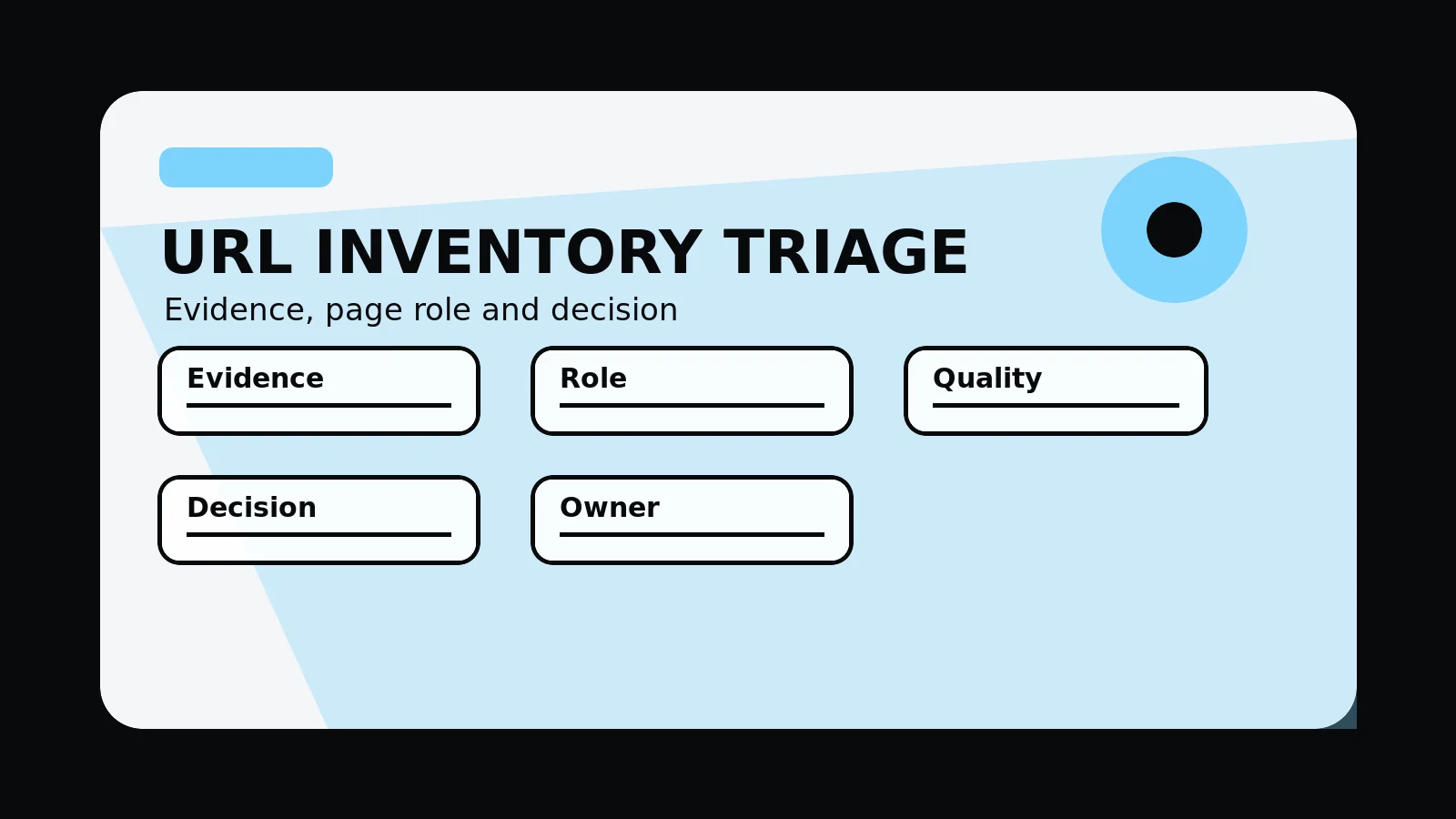
The URL inventory is the diagnosis table behind the redesign: it shows what each existing page does, who needs it, and what should happen to it.
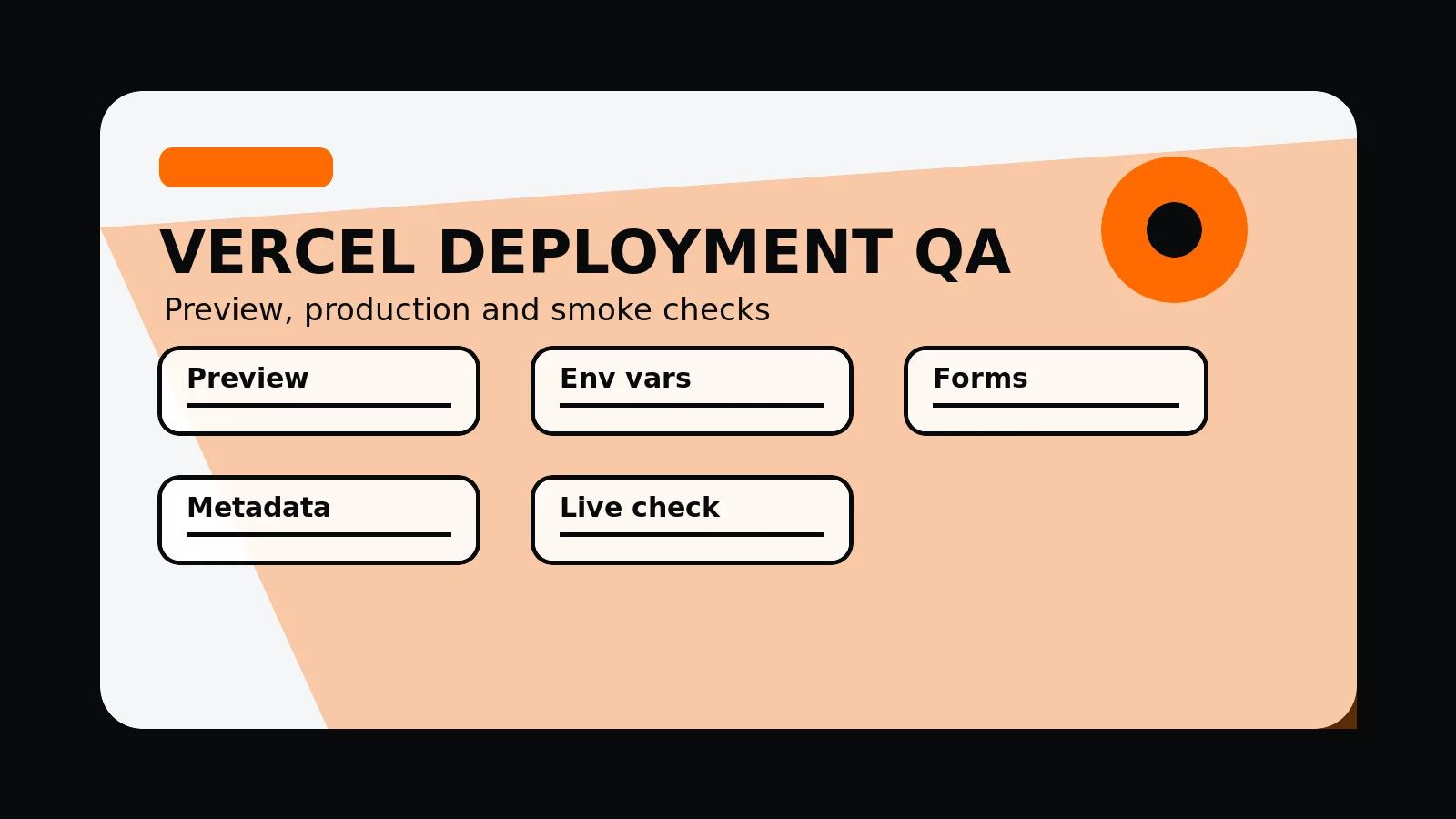
Preview deployment is useful only when the team checks the business-critical routes before production.
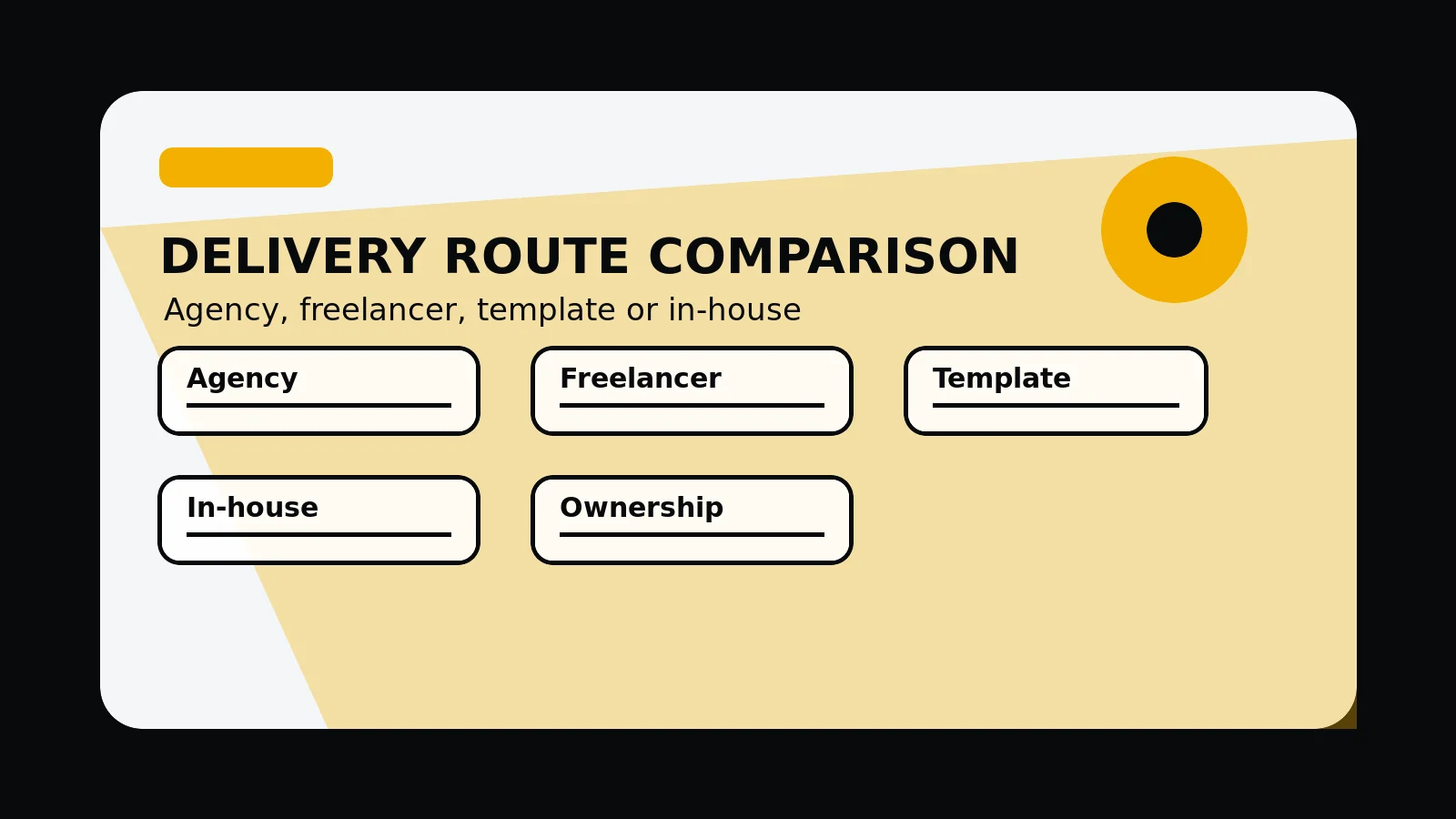
The right route depends on how much strategy, design, copy, SEO, frontend build, QA, and launch responsibility the project needs.
High-end feel comes from clarity, restraint, visual rhythm, supporting detail, and performance rather than decoration alone.
B2B supporting detail should reduce buyer risk without inventing outcomes, testimonials, awards, or metrics.
A company website should explain the business, services, supporting detail, process, engagement route, and contact path without making buyers search for basics.
Next.js is strongest when route control, performance, metadata, content structure, and deployment workflow matter.
A template is useful until it starts hiding the business, limiting supporting detail, weakening SEO structure, or making the site harder to trust.
Website content works best when internal owners provide accurate service, supporting detail, process, and review input before design decisions harden.
Use this checklist to keep performance visible during a redesign, so the new site feels faster, more stable, and easier to trust.
Entity-based SEO works best when the website consistently explains who the business is, what it offers, where it works, and which pages support those claims.
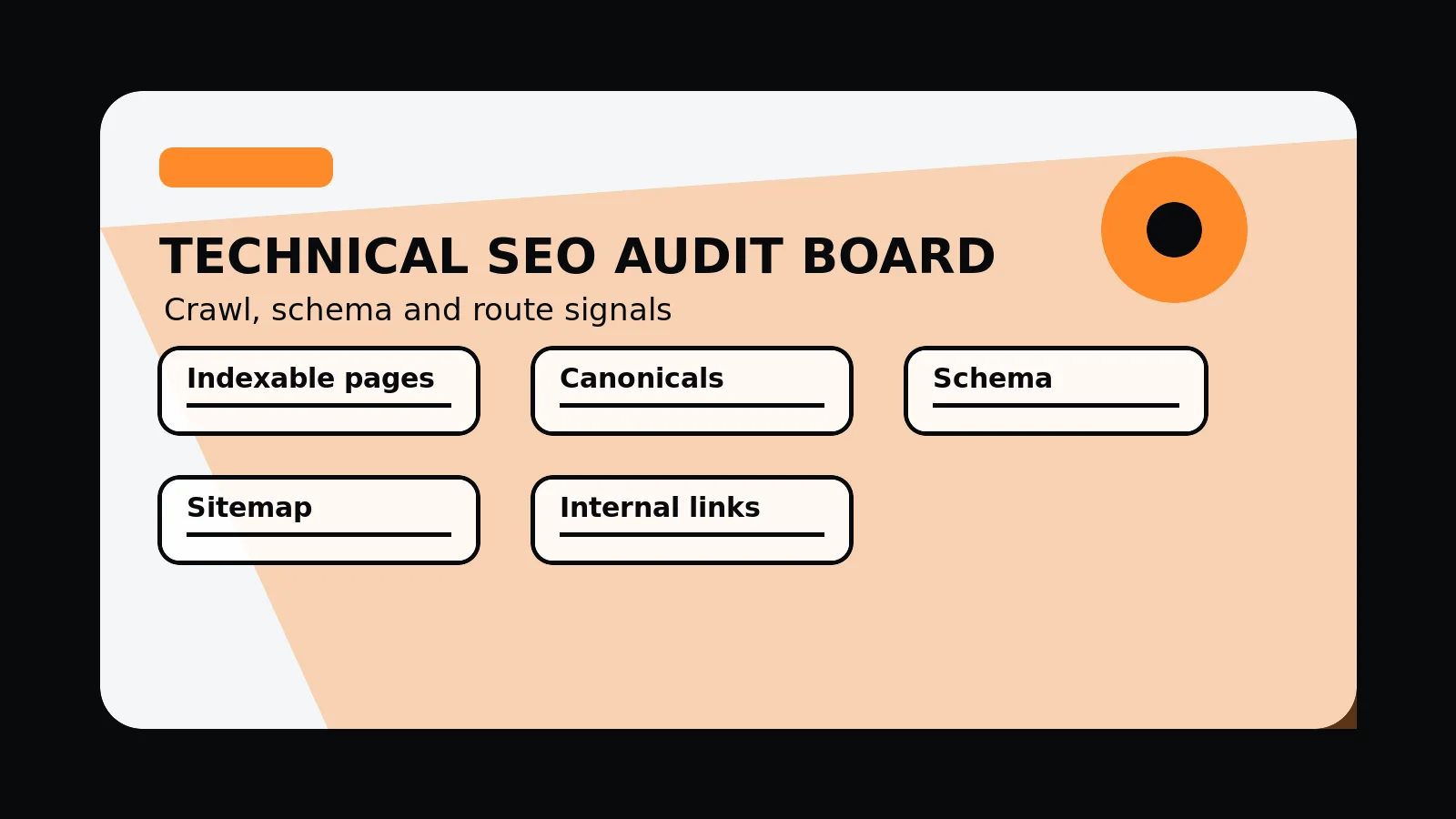
A useful technical SEO audit checks whether important pages can be crawled, understood, linked, published, and trusted before campaign spend begins.
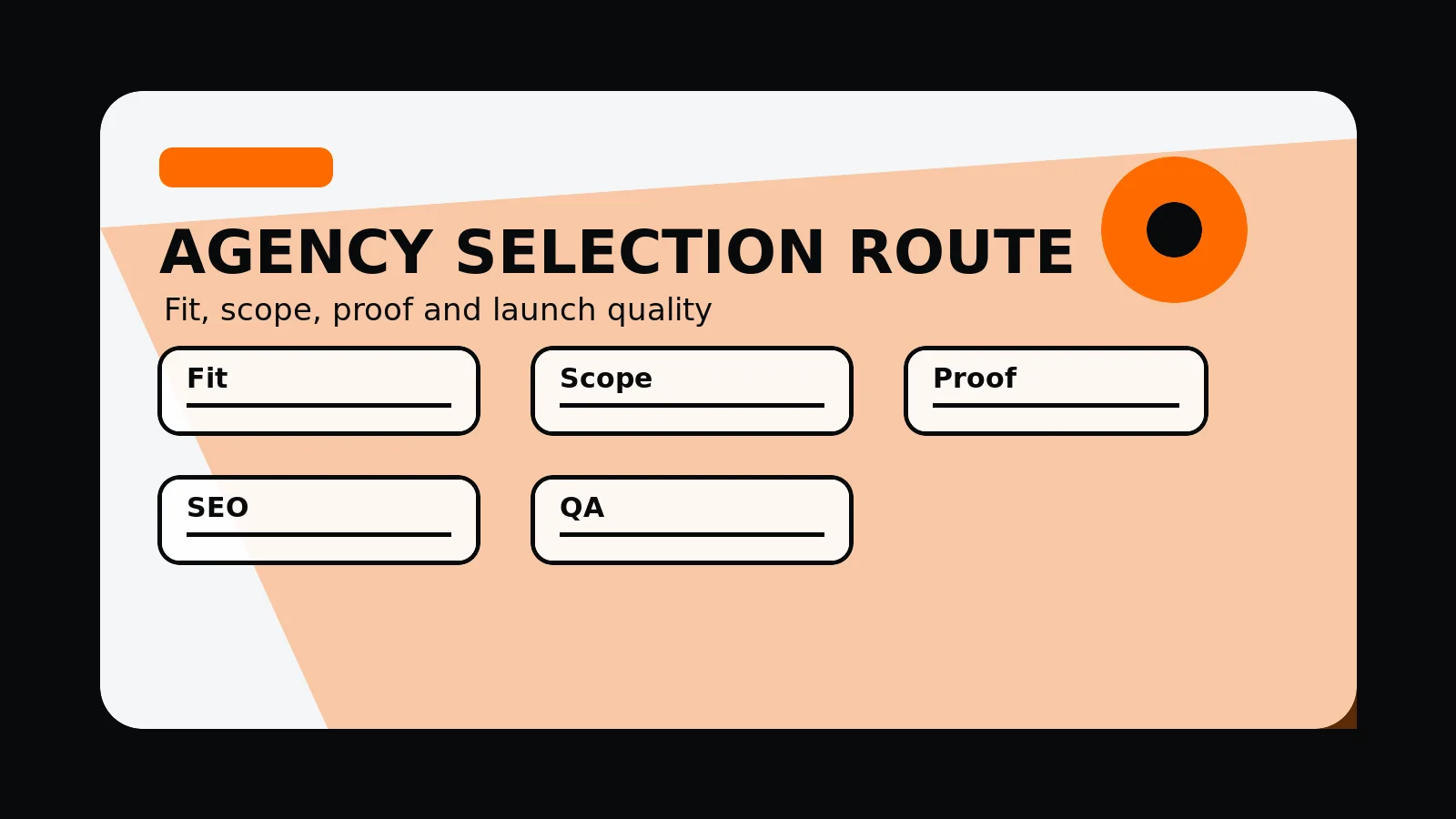
The right agency should make the business easier to understand, trust, compare, and contact, while building a site that is maintainable after launch.
An SEO-ready website is built with plain pages, crawlable content, metadata, schema where appropriate, internal links, and performance-aware implementation.